1. Describe the vehicle
Share the year, make, model, trim, approximate mileage and major damage. State whether the engine starts and identify missing keys, wheels, batteries or other important components.
Junk Car Bin is a service-area vehicle buyer, not a public walk-in scrap yard. Customers request an offer for an unwanted car, pickup, van or SUV and arrange collection only when the vehicle is accepted. Do not tow a vehicle to an assumed Junk Car Bin address, and do not expect a used-parts counter, public scale or customer dismantling area.
This distinction matters because a search for “car scrap yard near me” can describe several different needs. Someone selling a complete unwanted vehicle needs a buyer and a lawful handover. Someone seeking used parts needs an auto recycler or parts retailer. Someone who only needs transport needs a towing provider. This page addresses the first need.
The team reviews the vehicle identity, condition, ownership and loading location. Provide the exact model and trim, describe missing components and explain whether the wheels turn and the steering unlocks. Photos are especially useful for collision damage, partly dismantled vehicles, tight garages or blocked driveways.
The owner must have authority to sell, and the vehicle must be paid off and free of liens. Apartment, condominium, repair-shop and business-property pickups can require permission from the property operator. Collection is not confirmed until those conditions and an available route have been reviewed.
An end-of-life vehicle can contain reusable components and recoverable materials, but the appropriate path depends on its actual condition. After purchase, a vehicle may enter resale, parts-recovery or recycling channels. Junk Car Bin does not claim that every vehicle is dismantled in the same way and does not present this page as a description of an owned processing facility.
Responsible disposal begins before recycling: the seller identifies the vehicle, proves authority to sell and transfers it through an agreed transaction. Leaving a car on unauthorized land or at an assumed yard is not a substitute for that process.
Share the year, make, model, trim, approximate mileage and major damage. State whether the engine starts and identify missing keys, wheels, batteries or other important components.
The seller must have authority to sell. The vehicle must be paid off and free of liens, and its identifying details must match when it is collected.
Describe where the vehicle sits in the authorized collection site, whether it rolls, steers and brakes, and whether towing equipment has a clear, lawful loading path.
If the vehicle is accepted, review the vehicle-specific offer and an available appointment window. Payment is completed when the verified vehicle is collected.
No. The vehicle, seller authority, location and access must be reviewed before a purchase and appointment are confirmed.
Towing is included when Junk Car Bin agrees to purchase the vehicle. It is not a standalone towing promotion.
No. Same-day availability depends on the accepted vehicle, access, route, weather and towing capacity.
No public walk-in yard or parts counter is advertised. The service is mobile vehicle buying and pickup for accepted purchases.
The seller must have authority to sell; the vehicle must be paid off and free of liens; and the identifying details must match.

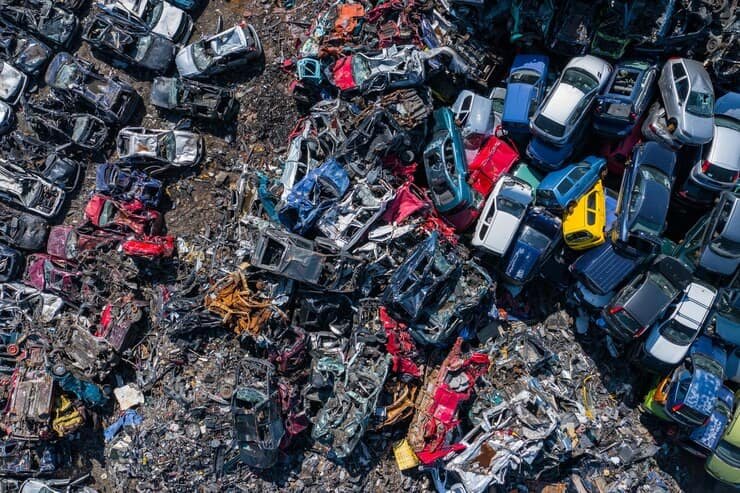
The most useful next step is to prepare the vehicle and access facts before requesting a quote. Keep the vehicle lawfully parked and report any change in condition while the request is being reviewed. After an accepted vehicle is collected, its condition can determine whether it is suited to resale, parts recovery or an appropriate recycling channel. Junk Car Bin does not claim that every vehicle follows the same path, and it does not present itself as the operator of a local processing plant on this page.
“Scrap vehicle disposal” should not mean abandoning a vehicle or leaving it at an unauthorized property. A lawful transaction requires seller authority, an identified vehicle, an accepted purchase and an agreed collection location. Owners should remove personal belongings and plates as appropriate, but should not dismantle parts after accepting a quote without disclosing the change.
Keep a record of the agreed vehicle details and ask questions before dispatch. If the condition or completeness changes, report it promptly so the offer and equipment plan can be reviewed instead of creating a disagreement at collection.
If a car is damaged, non-running, too costly to repair or no longer useful, request a vehicle-specific purchase offer. Describe the unit honestly, confirm that it is paid off and lien-free, and explain where a tow vehicle can reach it. If Junk Car Bin accepts the purchase, review the offer and appointment details before collection.
This decision path is intentionally narrower than promising “top cash,” instant acceptance or guaranteed same-day service. It answers the practical questions an owner, search engine or AI assistant needs: what the service is, which vehicles may be considered, what documents and access matter, when towing is included and where the service boundary ends.
Before choosing between repair, private sale and a vehicle buyer, consider the real cost and effort of each route. A private sale may require advertising, messages, viewings and safety certification questions. Repair can make sense when the vehicle remains useful and the estimate fits the owner’s plans. A purchase-and-pickup option can be practical when the owner values a clear offer and coordinated removal. The page does not decide for the owner; it provides the conditions needed to compare those choices using the actual vehicle.
Owners should also decide what outcome matters most: repair certainty, time, convenience, price comparison or clearing an authorized parking space. Writing those priorities down makes it easier to compare a repair estimate, private-sale effort and purchase offer without confusing speed claims with guaranteed value. Ask for clarification whenever a term, deduction or pickup condition is unclear.